
What Is Weft Hair? A Complete Guide to Features, Benefits, and How It’s Made
In the ever-evolving world of hair enhancements, extensions offer a transformative way to add length, volume, and even color without commitment. Among the myriad of options available, one term stands out as a foundational element for many popular methods: the weft. Understanding what **weft hair** is opens the door to some of the most seamless and durable extension applications on the market. Whether you’re a seasoned extension enthusiast or just beginning your research, this comprehensive guide will walk you through everything you need to know. We’ll explore the core definition, delve into the different types, uncover the manufacturing process, and highlight the incredible benefits of choosing **weft hair** extensions.
Decoding the Term: What Exactly Is Weft Hair?
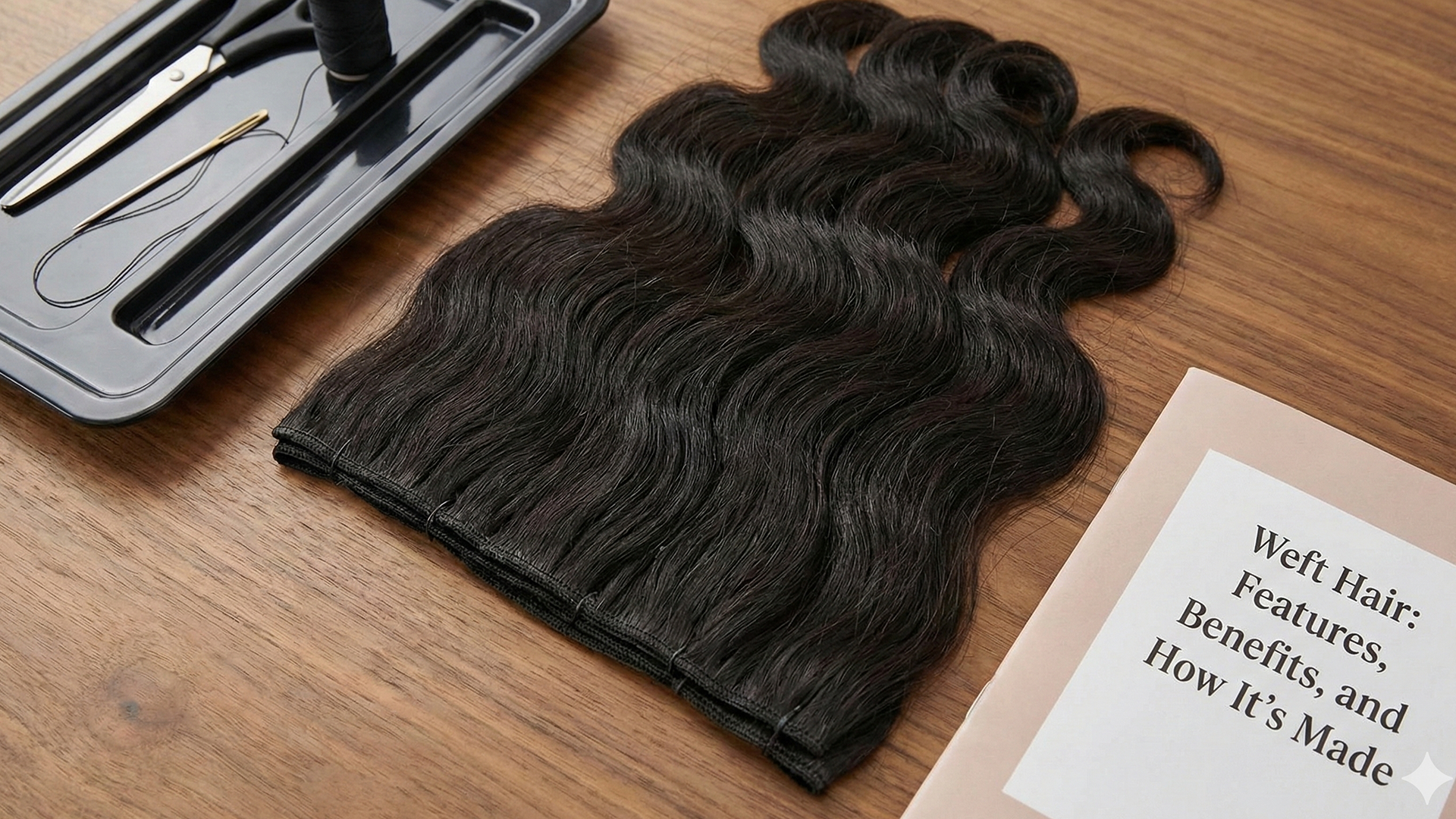
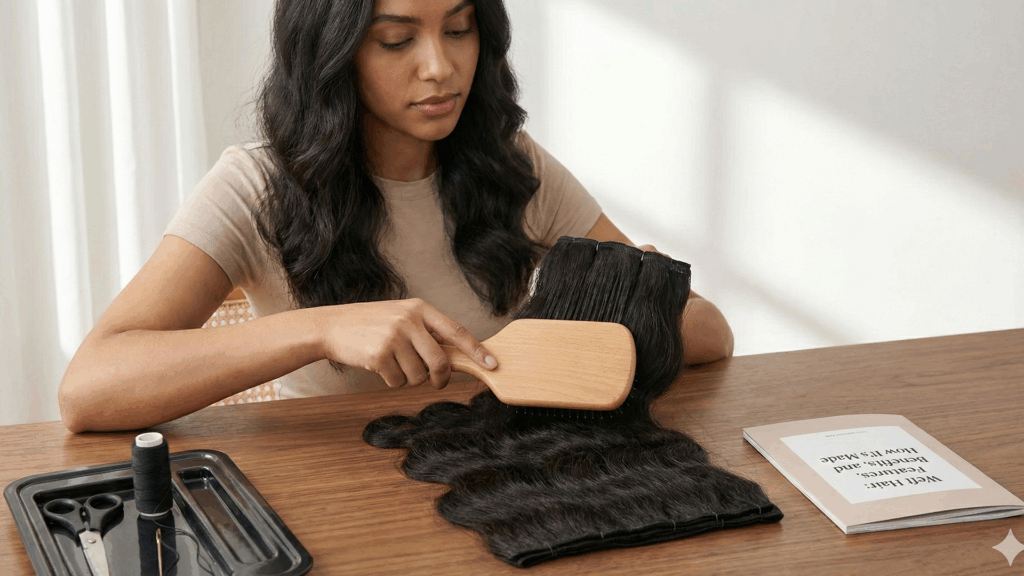
At its core, **weft hair** is a collection of hair strands that have been sewn or bonded together at one end to create a continuous, curtain-like strip. This strip, known as the weft, is then applied to the natural hair to create a fuller, longer look. Think of it as a sheet of hair, ready to be custom-fitted and installed by a professional stylist. This method is distinct from single-strand applications (like fusions or I-tips), where individual bonds are attached to small sections of natural hair.
The Core Definition of a Weft
The “weft” itself is the seam or track that holds the hair together. This seam is what allows stylists to attach a significant amount of hair efficiently and securely. The quality, thickness, and construction of this seam are crucial, as they determine the weft’s durability, how it lies against the scalp, and the application methods it’s suited for. High-quality **weft hair** is designed to be strong enough to withstand daily wear while remaining flexible and comfortable.
Weft Hair vs. Other Extension Types
To truly understand **weft hair**, it’s helpful to compare it to other popular extension types:
- Tape-In Extensions: These come in small wefts with an adhesive tab. They are “sandwiched” around sections of natural hair. While quick to apply, the adhesive requires careful maintenance.
- Keratin/Fusion Bonds: These are individual strands bonded to the hair with a keratin-based adhesive and a heat tool. They offer 360-degree movement but involve a longer application and removal process.
- I-Tip/Micro-Link Extensions: These are also individual strands, but they are attached using small beads or cylinders that are clamped onto the natural hair, requiring no heat or glue.
**Weft hair** stands apart because it provides maximum density and coverage with fewer attachment points, making it a preferred choice for creating significant volume and length. [Explore our detailed comparison of all hair extension types.]
The Two Main Types of Weft Hair Extensions
Not all wefts are created equal. The construction of the weft dramatically impacts its characteristics, from thickness and durability to how it can be customized. The two primary categories are machine-tied and hand-tied wefts.
Machine Tied Weft Hair: The Durable Classic
As the name suggests, **machine tied weft hair** is created using a specialized sewing machine that stitches the hair strands together onto a track. This process results in a slightly thicker, yet incredibly durable and secure, weft.
Key Features of Machine Tied Weft Hair:
- Durability: The machine-stitched seam is robust and less prone to shedding, making it a long-lasting option.
- Customizable: A significant advantage of **machine tied weft hair** is that the weft can be cut to any desired width without unraveling. This gives stylists the ultimate flexibility to customize the fit for each client’s head shape and size.
- Volume: Due to the construction, these wefts tend to have more hair density, making them perfect for those seeking a major volume boost.
- Cost-Effective: The automated manufacturing process generally makes **machine tied weft hair** a more budget-friendly option compared to its hand-tied counterpart.
This type of weft is a workhorse in the extension industry, beloved for its reliability and versatility.
Hand-Tied Wefts: The Delicate Artisan Choice
Hand-tied wefts are a more artisanal product. Skilled technicians meticulously tie individual hair strands by hand onto a thin, strong thread. This painstaking process creates an ultra-thin, flexible, and lightweight weft that is virtually undetectable.
Key Features of Hand-Tied Wefts:
- Thinnest Profile: The seam is significantly thinner than a machine weft, allowing it to lie incredibly flat against the scalp for the most seamless blend.
- Lightweight Comfort: Their delicate construction makes them very comfortable to wear, especially for clients with fine or thin hair.
- Cannot Be Cut: This is the most critical distinction. The ends of a hand-tied weft are secured with a finished knot. If you cut the weft, it will unravel and shed completely. Stylists must use the entire weft or fold it to adjust the length.
While they offer a premium, natural-looking result, hand-tied wefts require more delicate handling and are typically more expensive due to the intensive labor involved.
How Weft Hair is Made: From Strand to Seam
The journey from raw human hair to a finished weft is a meticulous process that ensures quality, consistency, and longevity. Understanding this process highlights the craftsmanship behind premium hair extensions.
Sourcing and Sorting the Hair
The process begins with sourcing high-quality human hair. The best **weft hair** is made from 100% Remy human hair. “Remy” means that all the hair cuticles are intact and aligned in the same direction—from root to tip. This is crucial for preventing tangling and matting. Once sourced, the hair is sorted by length and quality, and undergoes a gentle sanitation and coloring process.
The Wefting Process: Machine vs. Hand-Tying
This is where the two types of wefts diverge.
- For **machine tied weft hair**, the sorted hair is fed into a triple-head sewing machine. It is folded over a string and stitched multiple times to create a secure, multi-layered track that locks the hair in place.
- For hand-tied wefts, artisans take small sections of hair and manually tie them onto a weaving thread using a specific knotting technique, slowly building the weft strand by strand.
Quality Control and Final Touches
After the wefts are created, they go through rigorous quality control checks. This includes testing for shedding, ensuring color consistency, and verifying the integrity of the seam. The hair is then washed, conditioned, and styled before being packaged for distribution to salons and stylists.
The Key Benefits of Choosing Weft Hair Extensions
With a clear understanding of what **weft hair** is, let’s explore why it remains one of the most popular choices for both clients and stylists.
Unmatched Volume and Length
Because wefts are wide panels of hair, they can add significant volume and length much more quickly than single-strand methods. A single row of **weft hair** can achieve the same density as dozens of individual bonds, making it an efficient solution for dramatic transformations.
Versatility in Application Methods
Wefts are not a one-size-fits-all application. Their versatility allows for several professional installation techniques, including:
- Traditional Sew-In: The client’s natural hair is braided into a cornrow base, and the weft is sewn directly onto the braids.
- Micro-Link or Beaded Weft Method: Small sections of the client’s hair are threaded through a micro-bead along with the weft track and then clamped shut, creating a secure attachment without braids. This is one of the most popular modern methods.
- Clip-In Wefts: For a temporary solution, wefts can have clips sewn onto them, allowing the user to install and remove them at home.
Durability and Longevity
When made with high-quality Remy hair and installed professionally, **weft hair** extensions are incredibly durable. The hair itself can last for a year or more with proper care. The installation typically needs to be moved up every 6-8 weeks as the natural hair grows. The secure construction of a **machine tied weft hair** track, in particular, minimizes shedding and ensures the extensions remain full and healthy-looking. [Learn the best practices for caring for your hair extensions.]
Conclusion: The Enduring Appeal of Weft Hair
**Weft hair** is a cornerstone of the hair extension industry for good reason. It offers an effective and versatile solution for achieving beautiful, natural-looking length and volume. By understanding the fundamental differences between types—especially the durable and customizable **machine tied weft hair** versus the delicate, seamless hand-tied weft—you can make a more informed decision with your stylist. From its meticulous manufacturing process to its wide range of application methods, **weft hair** provides a reliable foundation for a stunning hair transformation that is both beautiful and built to last.
—
Actionable Takeaways
1. **Consult a Certified Stylist:** The success of your **weft hair** extensions depends heavily on a professional installation. Always seek a consultation with a certified and experienced extension specialist who can assess your hair type and recommend the best weft and application method for you.
2. **Choose the Right Weft for Your Lifestyle:** If you need flexibility and your stylist plans to cut the wefts for a custom fit, **machine tied weft hair** is the ideal choice. If you have very fine hair and prioritize a completely flat, seamless feel, a hand-tied weft may be more suitable, but remember it cannot be cut.
Author: Nguyen Shady – Luxora