
Different Types of Hair Extensions: A Guide to Clip-In, Weft Hair, and More
Have you ever scrolled through social media, admiring a celebrity’s impossibly thick, long hair, and wondered how you could achieve the same look? The secret is often not just good genes, but a well-chosen set of hair extensions. The world of extensions can seem overwhelming, with so many different types, application methods, and terms. But don’t worry—we’re here to be your helpful advisor. Whether you’re looking for a temporary boost for a special event with **clip-in** extensions or a more permanent solution for everyday volume with **weft hair**, this guide will demystify the options. We’ll walk you through the most popular types, helping you find the perfect match for your hair, lifestyle, and beauty goals.
Why Consider Hair Extensions?
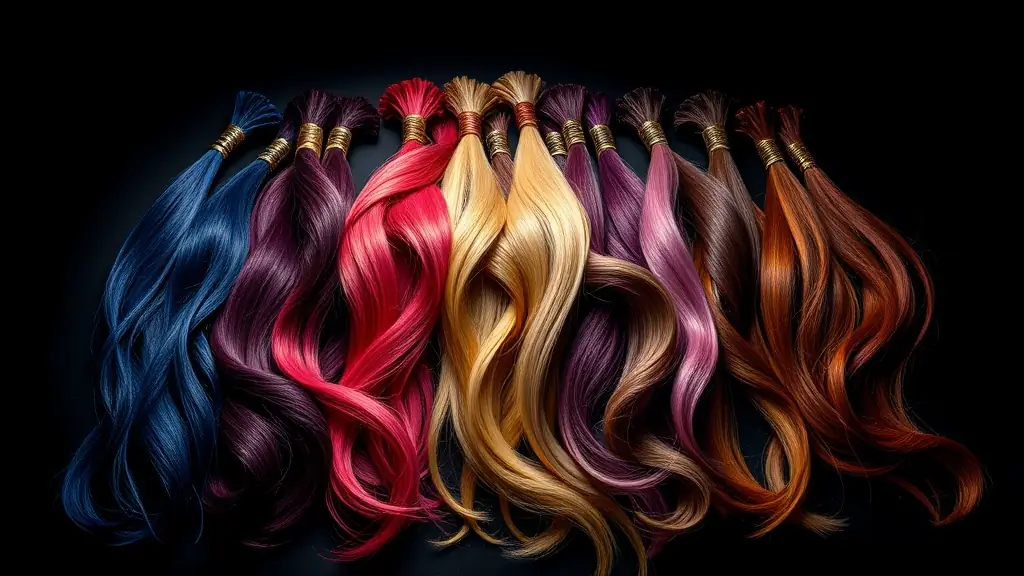
Before we dive into the “how,” let’s talk about the “why.” Hair extensions are a transformative beauty tool that offers more than just extra length. They are a fantastic way to add instant volume to fine or thinning hair, giving you that full, luxurious look you’ve always wanted. They also provide a commitment-free way to experiment with color. Want to try highlights, lowlights, or even a trendy balayage without touching a single drop of dye? Extensions make it possible. From adding a pop of color for a festival to creating an intricate updo for a wedding, the versatility is nearly endless.
Temporary vs. Semi-Permanent: Understanding Your Commitment
One of the first decisions you’ll need to make is how long you want your new hair to last. Extension types generally fall into two categories: temporary and semi-permanent.
Temporary Solutions
These are extensions you can put in and take out yourself on a daily basis. They are perfect for special occasions, experimenting with a new style, or for those who don’t want the commitment of a professional installation. The most popular type in this category is the **clip-in** extension.
Semi-Permanent Solutions
These extensions are professionally applied and can last for several weeks or months with proper care and maintenance. They are “worn” 24/7, meaning you sleep, shower, and go about your life with them in. This category includes popular methods like **weft hair** (sew-ins), **tape hair**, and fusion bonds.
A Deep Dive into the Most Popular Hair Extension Types
Now for the main event! Let’s break down the most common types of hair extensions, exploring their application methods, pros, cons, and who they are best suited for.
Clip-In Hair Extensions: The Ultimate DIY Solution
If you’re new to the world of extensions, **clip-in** sets are the perfect starting point. These are sections of hair (wefts) that have small, pressure-sensitive clips sewn onto them. You simply part your natural hair, snap the clips into place close to the root, and you’re done! They come in various pieces and widths to allow for a customized, blended look.
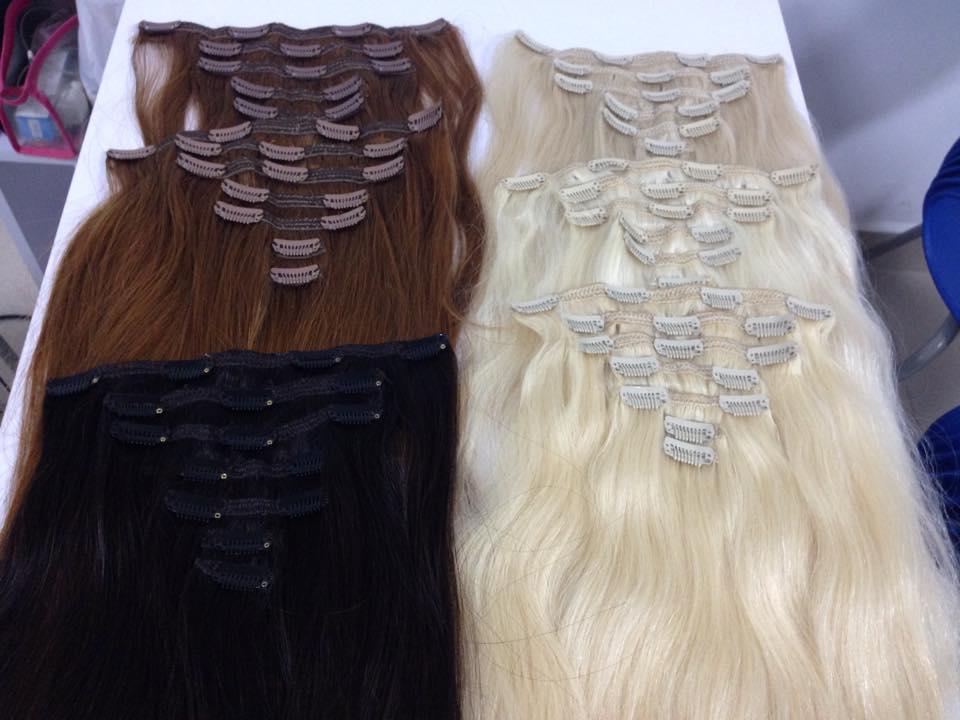
Clip In
Pros of Clip-In Extensions:
- No Commitment: You can put them in and take them out in minutes, whenever you want.
- User-Friendly: No need for a professional stylist; you can easily apply them yourself at home.
- Cost-Effective: They are generally more affordable upfront than semi-permanent options.
- Low Maintenance: Since you don’t wear them to sleep or shower, the hair itself lasts a very long time with proper care. [Learn How to Care for Your Hair Extensions]
Cons of Clip-In Extensions:
- Daily Effort: They must be applied each day you want to wear them and removed before bed.
- Potential for Weight: A full set can feel heavy, especially for those with very fine hair or a sensitive scalp.
Best For: Anyone looking for a temporary change for a special event, beginners who want to try extensions without a long-term commitment, or those who like to change their hairstyle frequently.
Weft Hair Extensions: Versatility and Volume
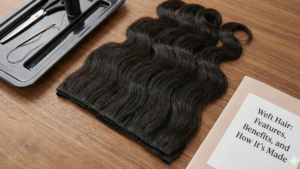
A “weft” is a collection of hair strands sewn onto a super-fine cloth strip. This **weft hair** is then applied to the head using various professional techniques. It’s one of the most traditional and trusted methods for adding serious length and volume.
How Weft Hair is Applied:
- Sew-In/Braid-In: This classic method involves braiding your natural hair into cornrows and then sewing the weft directly onto the braids. It’s extremely secure and ideal for thicker, coarser hair types.
- Micro-Link Weft (Beaded Weft): For this technique, a stylist applies silicone-lined beads to your natural hair and then sews the **weft hair** through the beads. It avoids the tension of braids, making it suitable for a wider range of hair types.
Pros of Weft Hair Extensions:
- Maximum Volume: Because the hair is on a continuous track, wefts provide incredible thickness and fullness.
- Durability: When installed correctly, they are very secure and can last for 6-8 weeks between maintenance appointments.
- Natural Appearance: The hair flows very naturally and blends seamlessly.
Cons of Weft Hair Extensions:
- Professional Installation Required: This is not a DIY method and requires a trained stylist.
- Potential Scalp Tension: The traditional sew-in method can feel tight and heavy, particularly right after installation.
- Longer Application Time: Installation can take several hours.
Best For: Individuals with medium to thick hair looking for a significant increase in volume and length. The sew-in method is particularly popular for those with coarse or textured hair. [Explore Our Weft Hair Collection]
Tape-In Hair Extensions: The Seamless Semi-Permanent Star
Tape-in extensions, often just called **tape hair**, have skyrocketed in popularity for their quick application and incredibly flat, seamless finish. These extensions come as 1- to 2-inch wide wefts with a special adhesive tab at the top. A stylist applies them by “sandwiching” a thin section of your natural hair between two of these adhesive wefts.
Pros of Tape Hair Extensions:
- Fast Application: A full head of **tape hair** can often be applied in under an hour.
- Lightweight and Comfortable: The wefts lie completely flat against the head, making them very comfortable and virtually undetectable.
- Natural Look: They blend beautifully and offer great movement, making them ideal for wearing your hair up or down.
Cons of Tape Hair Extensions:
- Requires Professional Maintenance: They need to be removed and re-applied by a stylist every 6-8 weeks as your hair grows.
- Adhesive Limitations: You must avoid oil-based or silicone-based hair products near the roots, as they can cause the adhesive to slip.
- Potential for Buildup: If not cared for properly, adhesive residue can build up.
Best For: Most hair types, especially fine to medium hair, for those seeking a semi-permanent solution that is comfortable, quick to apply, and looks incredibly natural.
How to Choose the Right Hair Extensions for You
Feeling better informed? Great! Now, let’s narrow it down. To find your perfect match, ask yourself these three key questions.
1. What Does My Lifestyle Demand?
Are you a low-maintenance person who wants to wake up with perfect hair? A semi-permanent option like **weft hair** or **tape hair** might be for you. Do you hit the gym every day or swim often? The ease of removing **clip-in** extensions before these activities might be a better fit.
2. What is My Hair Type?
Your natural hair’s density and texture are crucial.
- Fine Hair: Tape-ins are often the best choice as they are lightweight and lie flat. A lightweight **clip-in** set can also work well.
- Medium to Thick Hair: You have the most options! Clip-ins, tape-ins, and wefts will all work beautifully.
- Coarse or Textured Hair: A traditional sew-in **weft hair** application is often the most secure and durable option.
3. What is My Budget and Maintenance Commitment?
Consider both the initial cost and the ongoing maintenance. **Clip-in** extensions have a higher upfront cost but no follow-up salon fees. Semi-permanent options like tape-ins and wefts have an initial application cost plus the cost of re-application every 6-8 weeks. Be realistic about the time and money you’re willing to invest. [Read Our Guide on Hair Extension Costs]
Conclusion: Your Perfect Hair is Within Reach
Choosing the right hair extensions is a personal journey, but it doesn’t have to be a confusing one. By understanding the core differences between the major types—the daily freedom of **clip-in** extensions, the incredible volume of **weft hair**, and the seamless finish of **tape hair**—you are now empowered to make an informed decision. The right extensions will not only enhance your look but also boost your confidence. They are a tool to help you express yourself and achieve the hair of your dreams, whether it’s for one night or for months to come.
Actionable Takeaways
- Book a Consultation: Before making a final decision on semi-permanent extensions, always book a consultation with a certified, experienced stylist. They can assess your hair type, discuss your goals, and provide a professional recommendation tailored specifically to you.
- Start with a Temporary Option: If you’re feeling hesitant, start with a high-quality set of **clip-in** extensions. It’s the best way to experience the look and feel of longer, fuller hair without any long-term commitment, helping you decide if you’re ready to invest in a more permanent method down the line.
Wrote by: Luxora – Shady Nguyen